Teens are taking over. Let’s make sure they’re ready.
As young people move through adolescence, they begin developing their identities, gaining independence and making more decisions for themselves. For some teenagers, this transition happens without consistent access to mentors, practical guidance or trusted adults who can help them understand unfamiliar situations.
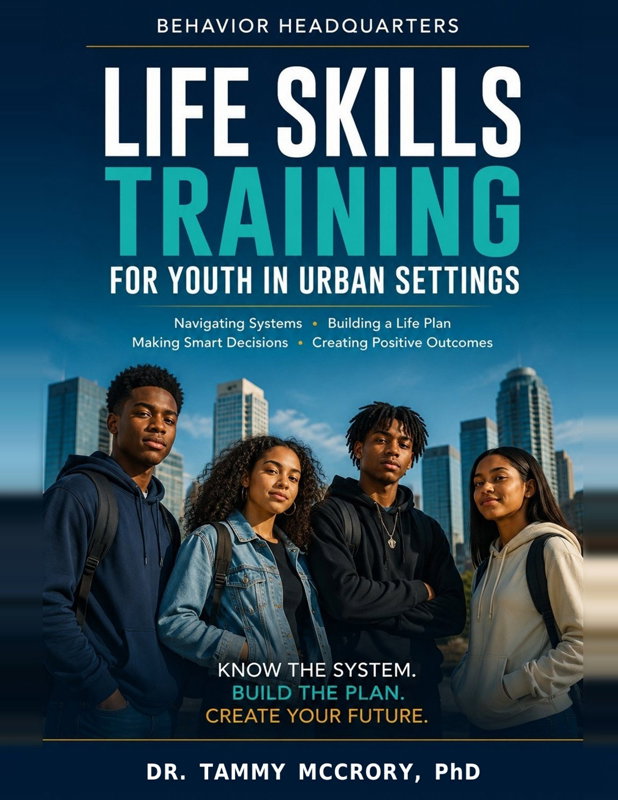
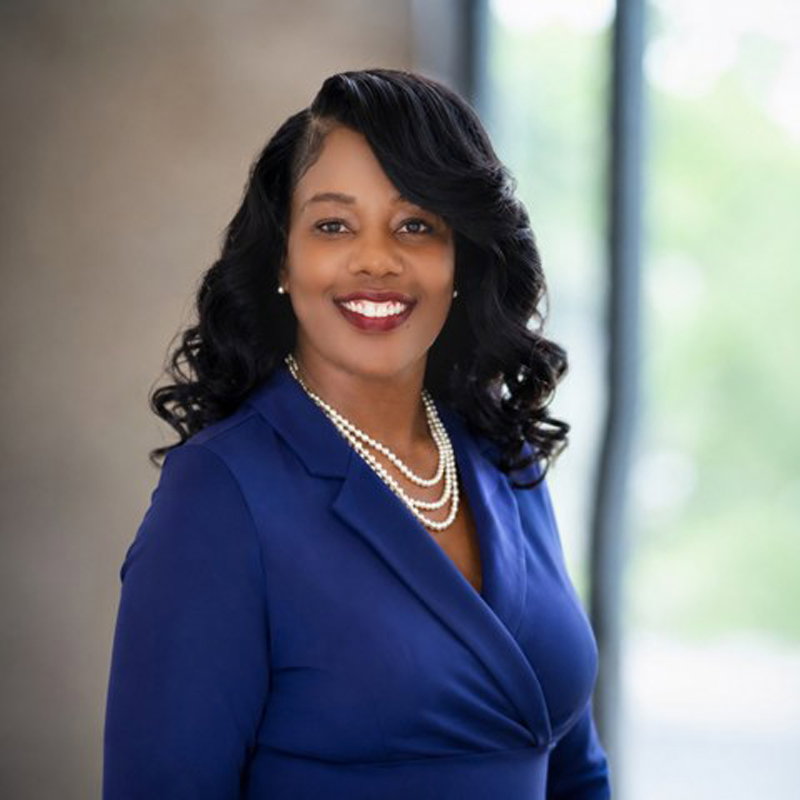
That reality is at the center of Dr. Tammy McCrory’s national mission to engage 60,000 young people through Life Skills Training for Youth in Urban Settings.
Developed through Behavior Headquarters, the initiative focuses on youth ages 13 to 17 in urban communities where access to practical preparation, guidance and resources may be limited. It does not assume that all teenagers have the same experiences or needs. Instead, it is designed to increase access for young people who may have fewer opportunities to explore important life situations before facing them.
McCrory’s perspective has been shaped by education, professional practice, entrepreneurship and years of working alongside young people, families and communities. Across those experiences, she observed that some teenagers are expected to make serious choices without consistent access to the preparation that could help them evaluate their options.
What happens when young people are expected to make consequential decisions before they have been given the guidance, exposure and practical tools needed to think those decisions through?
Life Skills uses age-appropriate scenarios to strengthen decision-making, functional communication, personal responsibility, relationships, problem-solving and planning. The material encourages teenagers to slow down, consider possible consequences, recognize their options and respond more intentionally to situations they may already be facing.
The initiative is based on a straightforward belief: young people should not have to experience every hardship personally before they can learn from it. Some lessons can be discussed, practiced and explored before the consequences arrive.
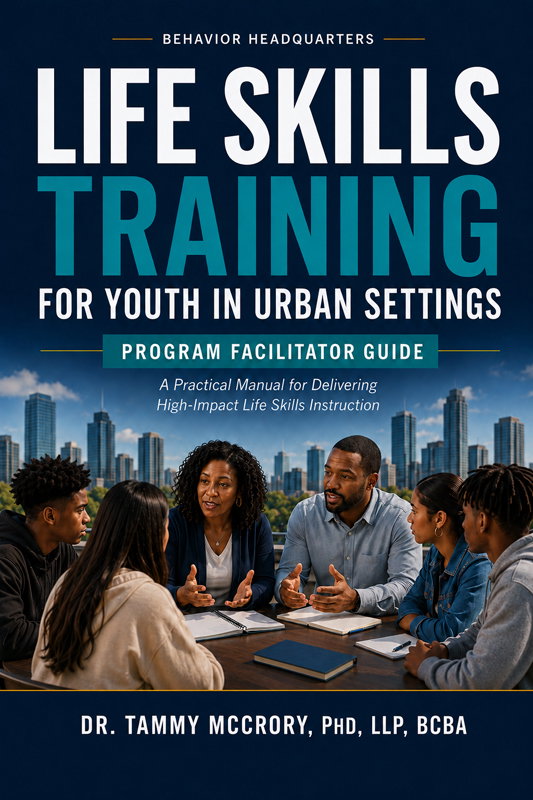
The Life Skills experience is available through a printed book and the Life Skills application. The application provides digital access to the material and interactive activities that reinforce decision-making, functional communication and other practical skills. Youth-serving organizations can also use facilitator training to guide structured conversations and group activities.
The book serves as the foundation of a broader Life Skills experience designed to help practical preparation reach young people across different settings and communities.
That is why the number 60,000 matters.
The 60,000-youth goal is not simply about distributing books. It represents 60,000 opportunities for young people in communities with limited resources to practice thinking through real-life decisions before the consequences become real.
Reaching that goal will require youth programs, schools, libraries, families, businesses and community leaders to help practical preparation travel farther.
The national initiative will officially launch October 22.
Teenagers are gaining independence, finding their voices and taking greater ownership of their choices. The mission is to help ensure that more young people have access to practical preparation for what comes next.
That is why the number 60,000 matters.
The 60,000-youth goal is not simply about distributing books. It represents 60,000 opportunities for young people in communities with limited resources to practice thinking through real-life decisions before the consequences become real.
Reaching that goal will require youth programs, schools, libraries, families, businesses and community leaders to help practical preparation travel farther.
The national initiative will officially launch October 22.
Teenagers are gaining independence, finding their voices and taking greater ownership of their choices. The mission is to help ensure that more young people have access to practical preparation for what comes next.